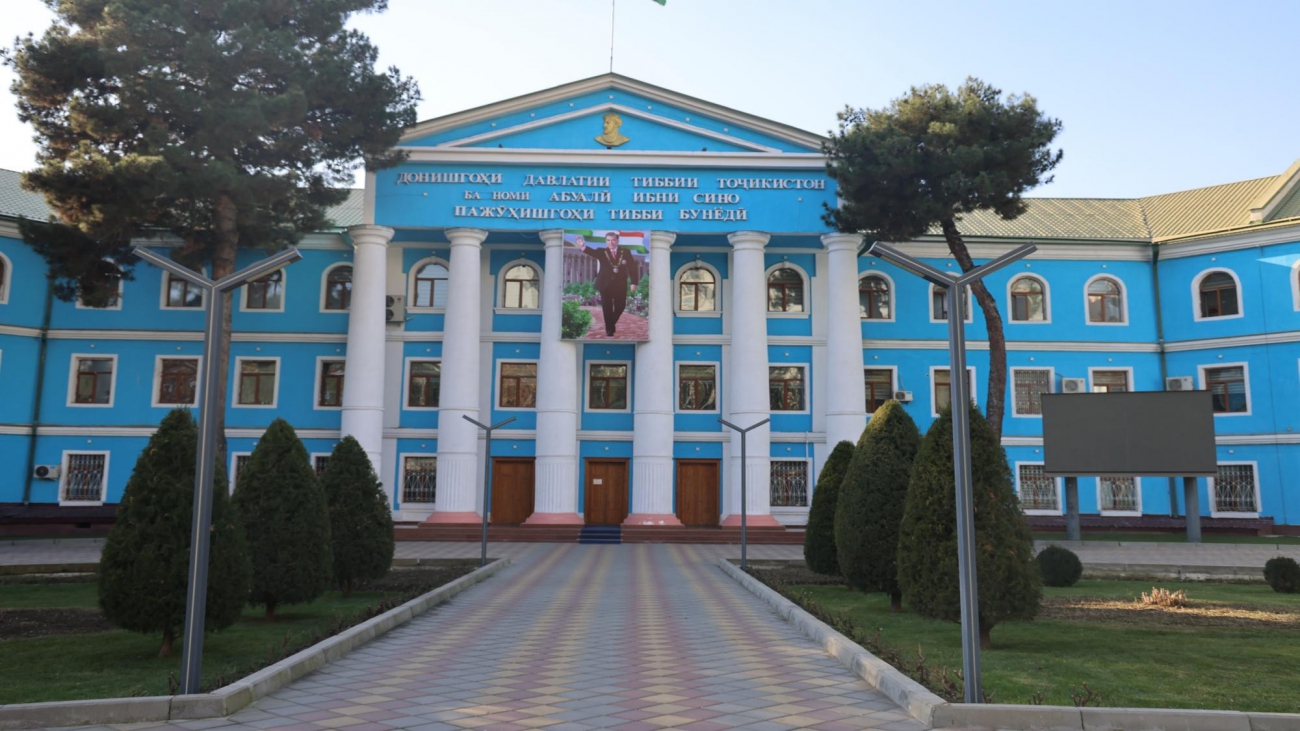
The history of Avicenna Tajik State Medical University dates back to 1939, when it was established in Dushanbe, Tajikistan, as a medical training institute aimed at preparing healthcare professionals for the region. Initially, it functioned as a school for medical personnel under the name Abu Ali Ibn Sino Medical Institute, reflecting the strong influence of the legendary Persian physician Avicenna. Over time, the institution grew in size, academic strength, and importance within Central Asia.
In the early years, especially around the 1940s and 1950s, the institute expanded its academic structure by introducing key medical disciplines such as therapy, surgery, obstetrics, and gynecology. As medical education demand increased, the institute continued to develop its faculties and research capabilities. By the late Soviet period, it had become a major center for medical education, employing numerous qualified doctors and scientific researchers.